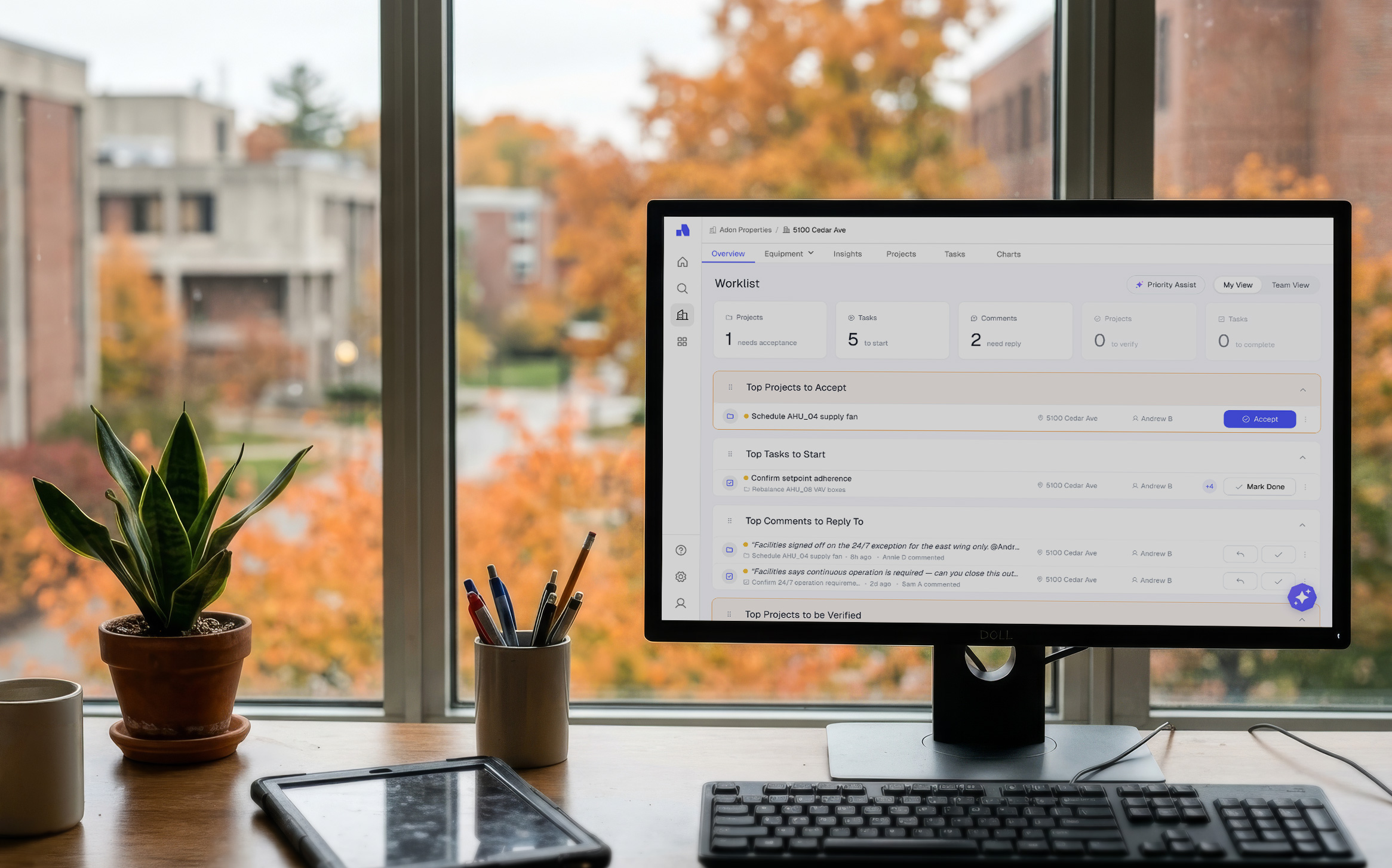
Replacing dashboard hunting with a brand-new homepage that delivers into immediate, friction-free execution
Business goal
To remove the bottleneck of manual platform investigation across fragmented building data by introducing unified worklist.
Responsibilities
- User research and discovery
- Cross-functional alignment & scoping
- Solution design
- Rapid code-based prototyping (Claude Code)
DELIVERABLES
Platform homepage
SUCCESS METRIC
Savings Velocity - Increasing the savings generated per customer.
Project Efficiency - Decreasing the overall time required to complete projects.
TIMELINE
2026
An overview of the Noda Command Center
The Problem
Commercial building platforms like Noda excel at generating data and detecting faults, but we noticed a huge bottleneck slowing teams down: detection was only half the battle.
While the software was great at flagging improvement opportunities, users were forced to manually hunt for insights across fragmented dashboards, lists, and modules. Finding out what had or hadn't been updated required exhausting manual triage, and regional managers overseeing multiple sites lacked a clear view of project progression.
Recognizing this friction, my team set about solving it: eliminating the administrative burden by creating a unified, action-oriented homepage that turns backend intelligence into immediate execution.
Discovery
Uncovering the Human Bottleneck
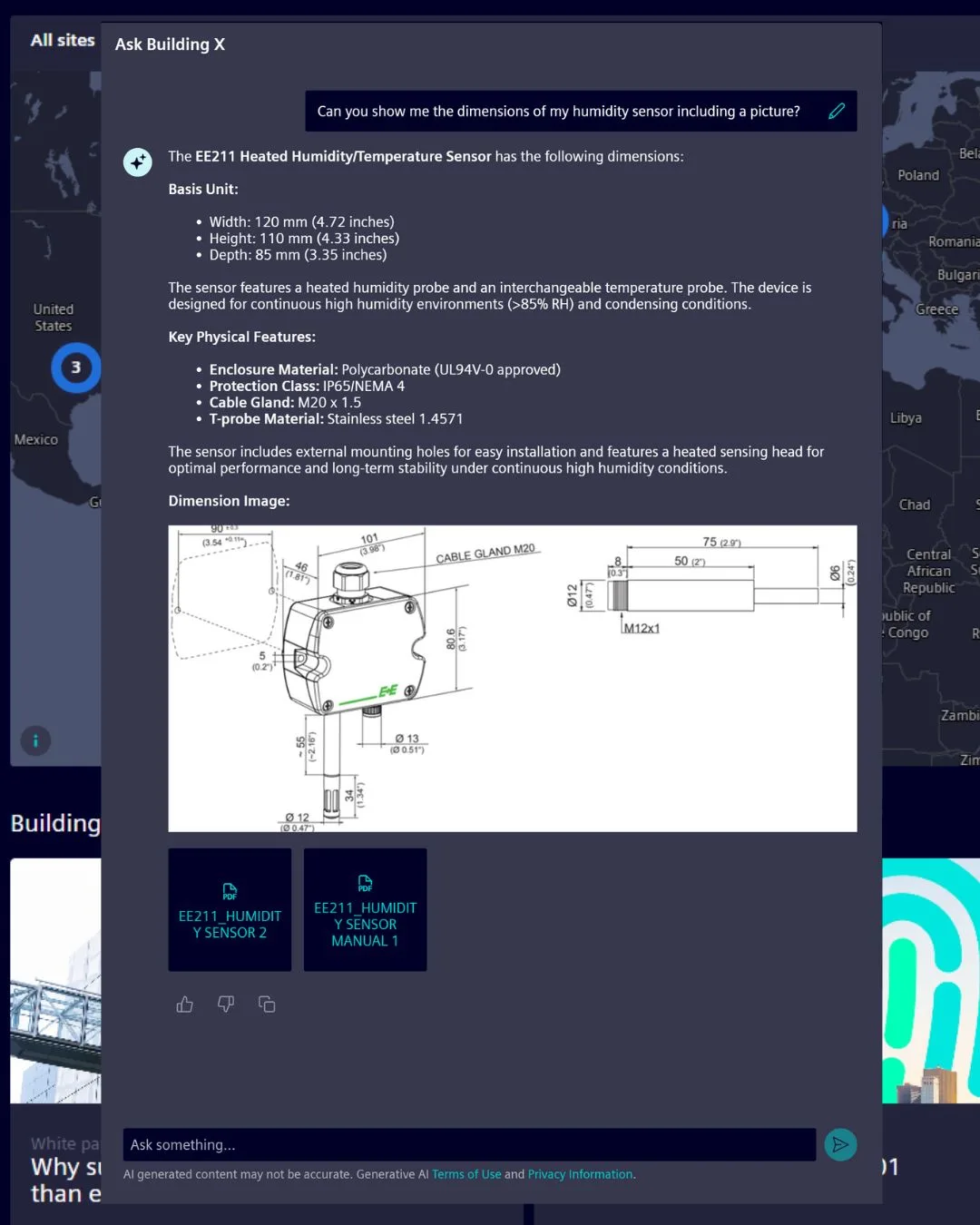
To uncover where the real friction lived, I conducted a research program of 12 in-depth interviews with customer-facing internal teams and external customers, plus an Intercom survey of current platform users.
Key Insights:
- Finding operating waste was no longer the bottleneck—acting on it was.
- Teams were overwhelmed by too many places to look, too many things to remember, and systems that were too difficult to navigate.
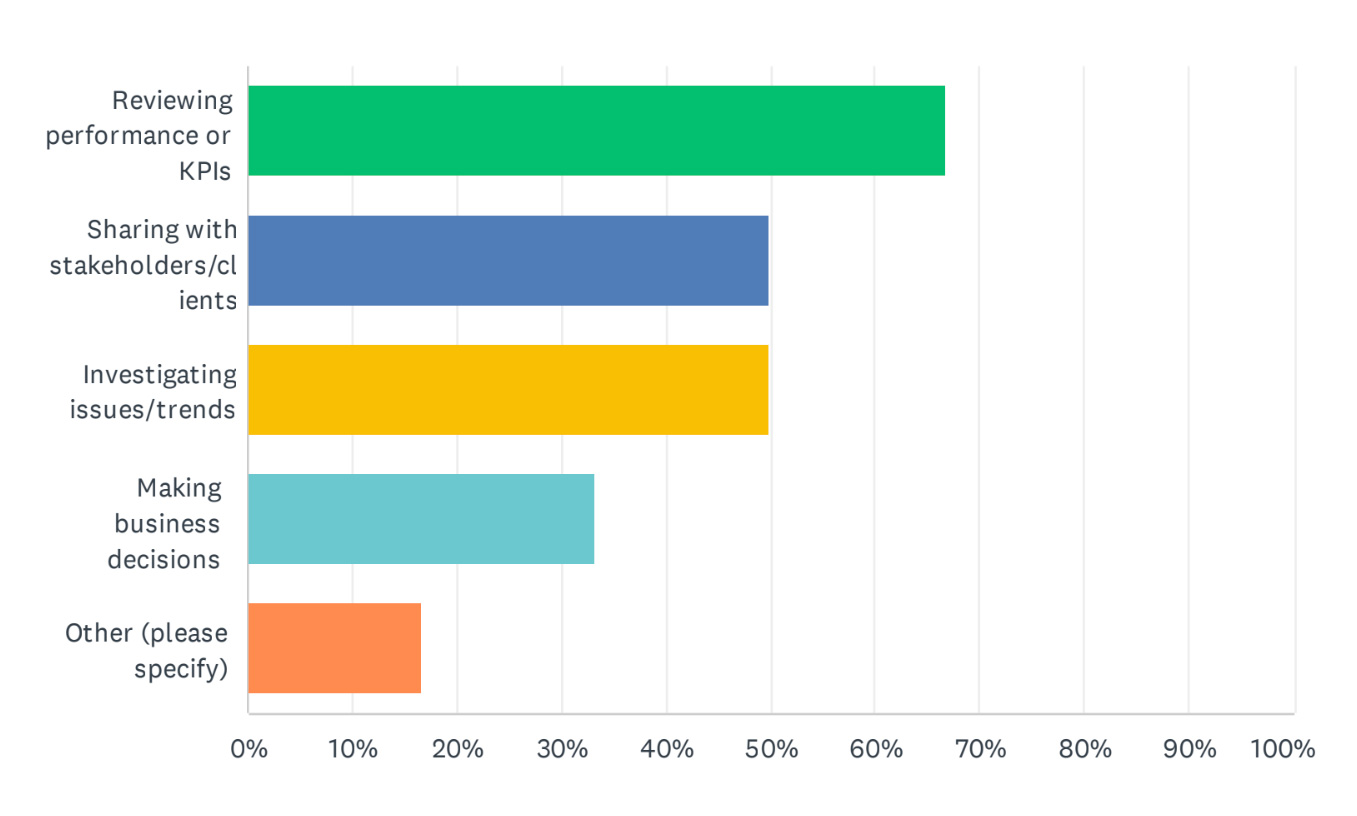
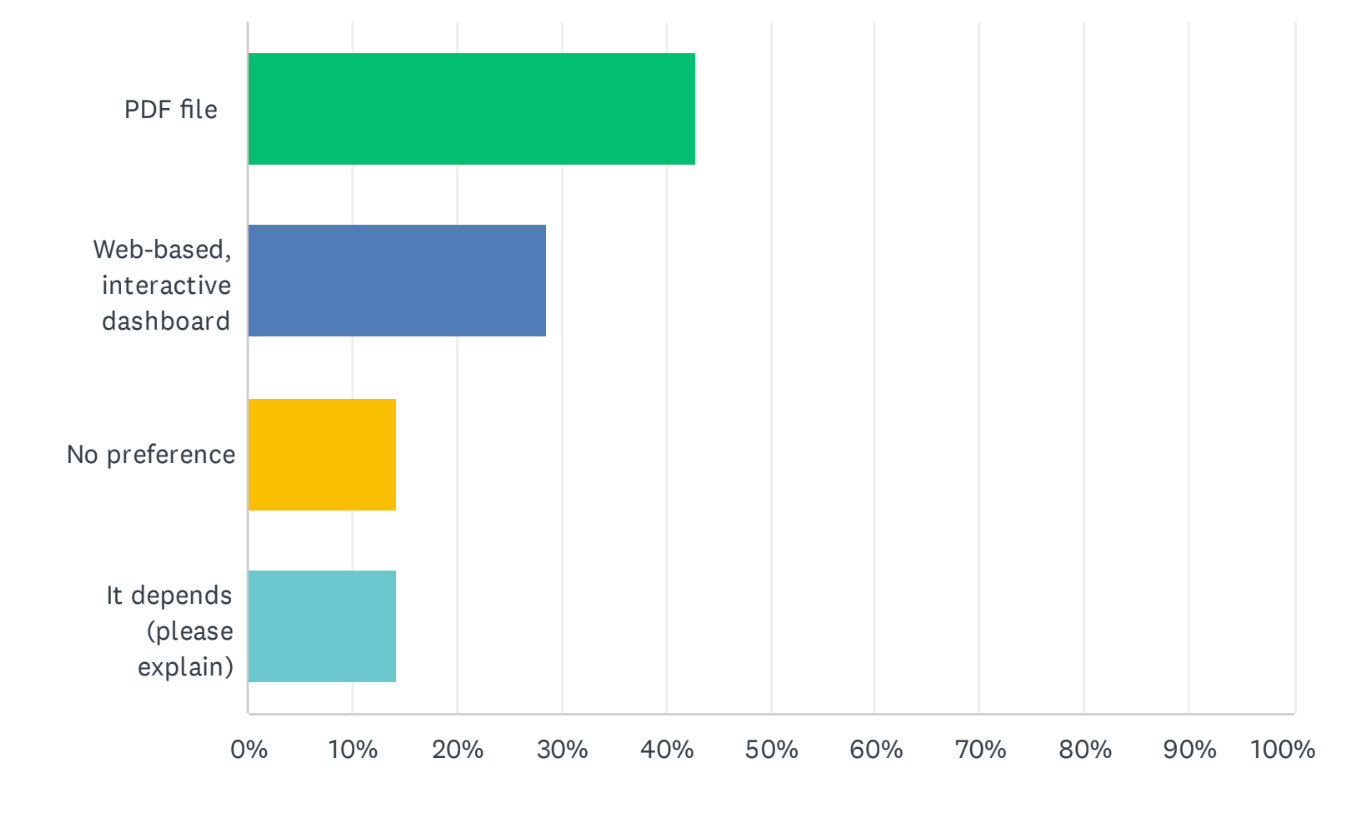
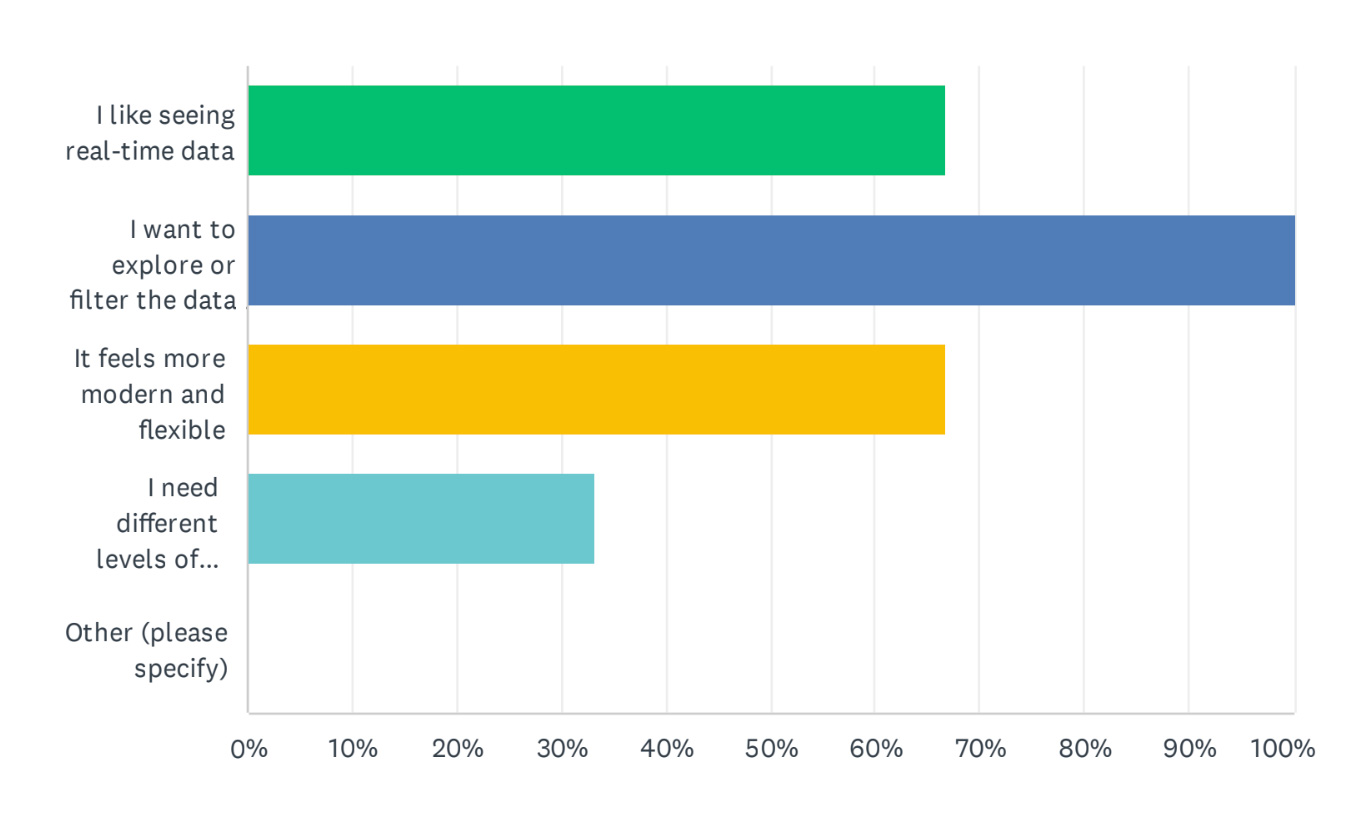
User survery results
Product Mantras
Working closely with leadership, I established a core set of product mantras that guided every decision.
Action-Oriented
Every view must enable direct execution.
Multi-Altitude
Must support a hands-on and a managerial user types.
Focused
Zero clutter; eliminate unranked lists.
Rewarding
Make driving work down to zero feel satisfying.
Diverging on Solutions
The journey from concept to final UI went through several deliberate iterations, moving from initial sketches and structural Figma wireframes into interactive prototypes designed to test journeys and micro-interactions clearly.
During our cross-functional alignment and ideation sessions, the core components that successfully made it through the alignment filter formed the baseline of the Command Center concept:
A New Homepage: The immediate landing view for users upon login.
A Prioritised Worklist: A structured list prioritizing specific types of items needing attention (ranking projects automatically by priority and estimated savings impact).
View Toggling: A seamless way to switch between an individual view and a team view to track responsibilities and spot stalled work.
Grouped Workflows: A method for grouping tasks within the same project to avoid cognitive overload.
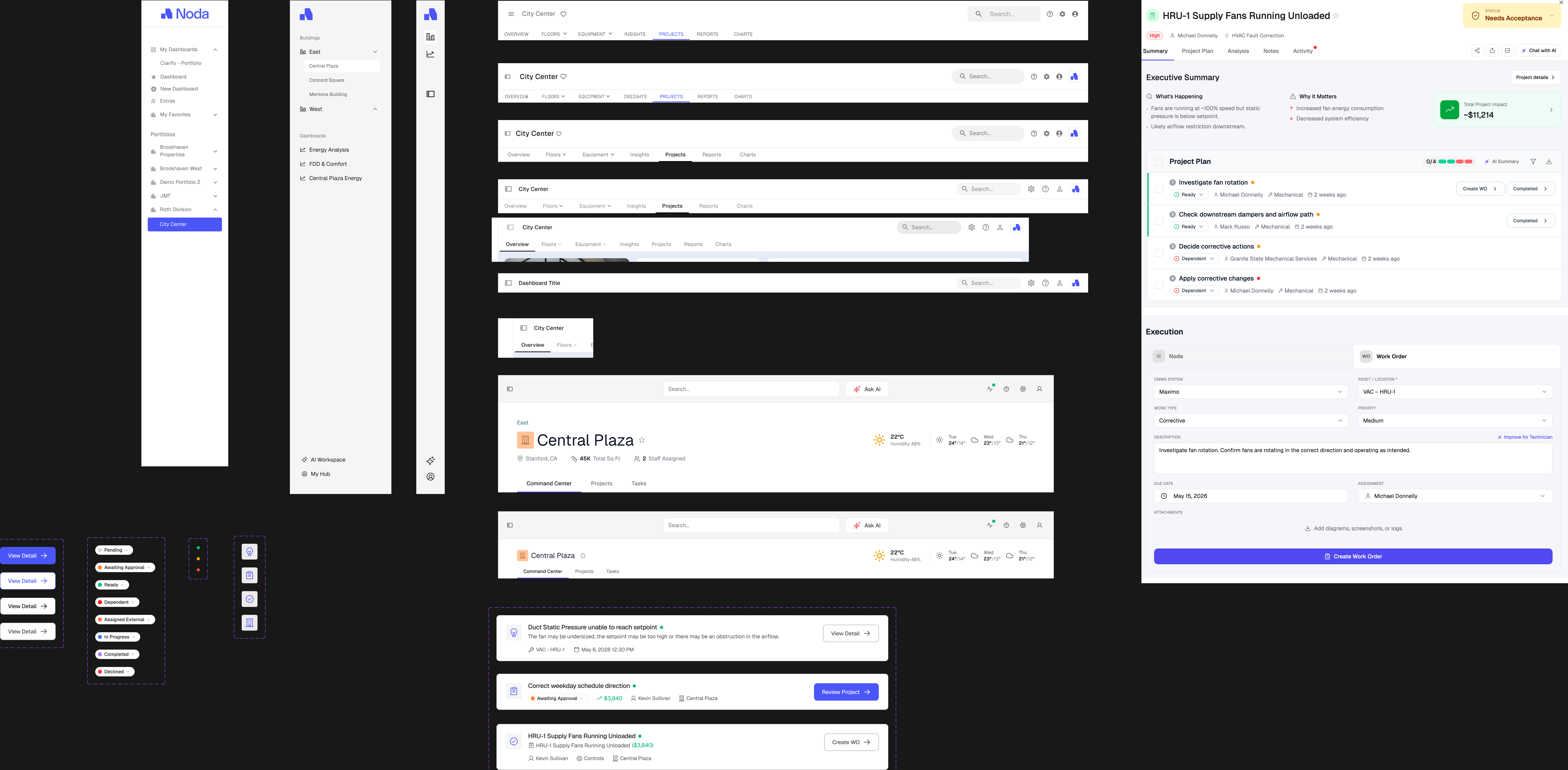
Early Figma explorations
Test & Pivot
One of my early design concepts explored a "master inbox"—a single, unified list of all objects that needed a user's attention.
This concept performed poorly in user testing because users found it too confusing to see completely different types of work mixed together into one undifferentiated feed.
This critical user feedback led directly to the realization that we needed multiple structured sections, separating different streams of work to reduce cognitive load and restore clarity.
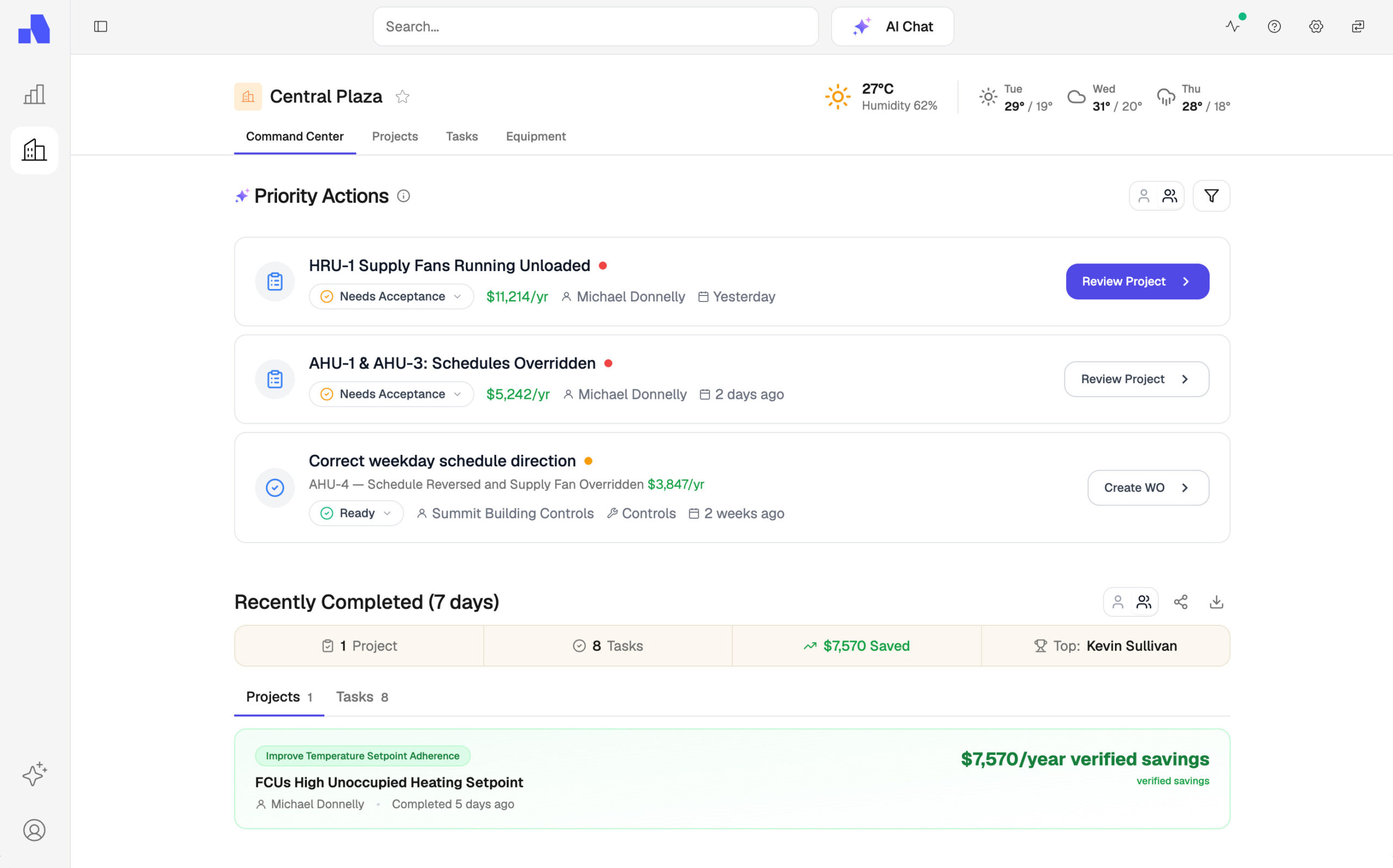
Early failed experiment
Prototyping in Code
To bridge the gap between design theory and technical reality before spending engineering time on a complex build, I utilized Claude Code to develop a comprehensive, highly effective interactive prototype.
Simulating Real Data & Dynamic States: The workflow allowed me to add many additional features quickly, imitating real data and updating the state of objects dynamically (e.g., changing the status of a project, moving it from one section to another) to make sure the concept felt right and would be effective in practice.
Feature Toggles & Vision Testing: I built the prototype with feature toggles so that different variants could be thoroughly reviewed, stakeholder feedback could be gathered, and a truly minimal MVP could be cleanly scoped before engineering handoff.
Toggling features for testing
Customisation and task completion
Integration with AI Assistant
My View vs Team View
MVP Rollout & Backlog
Noda Command Center officially launched to all customers, redefining how building teams manage operational workflows.
This initial release served as a focused MVP, allowing us to actively measure qualitative and quantitative customer feedback in the wild.
The Backlog
The rich feature set and diverse variants I was able to build into the Claude prototype are safely stored in our product backlog, ready to be prioritized and deployed iteratively based on observed user need.
Impact
At login, engineers and managers now land on a prioritized worklist of projects ranked by impact and savings, successfully connecting Noda's continuous backend intelligence directly to day-to-day execution and driving real-world results under our core product mantra: "Less time finding. More time fixing."
Credits
UX
Tom Killeen
Product
Vietnam Mai
Engineering
Brennan Fowler